Top Podcasts
Fred Frenchy And Nirojan Yamunarajan Of Culture Shock On Hip Hop Roots & Fantasy Trading Cards, Plus: Dcentralcon's NFT & Defi Extravaganza, And More...
Today’s show features two pioneers in culture and NFTs seeking to give back to, and support an important cultural community. In this episode, Jeff Kelley, Eathan Janney, and Josh Kriger Welcome Fred Frenchy and Nirojan Yamunarajan, the Co-Founders of Culture Shock Galleries, a black-owned NFT auction house representing culture-influencing artists, icons, and brands. Listen in as Fred and Nirojan share how they came up with a massive and ambitious project to celebrate Hip Hop culture industry wide. Join the conversation as they discuss how they’ve moved so quickly, what inspires them to tackle this project, and the surprises they’re preparing for you. You won’t want to miss this inspiring episode!
—
Listen to the podcast here
Fred Frenchy And Nirojan Yamunarajan Of Culture Shock On Hip Hop Roots & Fantasy Trading Cards, Plus: Dcentralcon’s NFT & Defi Extravaganza, And More…
All you NFT curious readers, check out this episode to learn how the crew at Culture Shock Galleries is taking edutainment to a whole new level for hip-hop and culture.
What’s on our guests’ top five MC list.
Why DCentral Con, November 10th to 12th in Miami, is a can’t-miss event for NFT lovers and is $100 less for Edge of NFT readers. All this and more on this episode. Enjoy.
—
This sponsor spotlight episode features Fred Frenchy and Nirojan Yamunarajan, Cofounders of Culture Shock Galleries, who are pioneering the first ecosystem of its kind to connect, educate, activate and empower a diverse group of both Black and non-Black creators and collectors on the blockchain. Culture Shock Galleries is all about NFTs that drive the culture forward, dropping premium, exclusive and rare digital collectibles and original art from traditionally underrepresented trailblazers who architect, influence and positively impact and contribute to their community. Let’s hear a little bit about each of them.
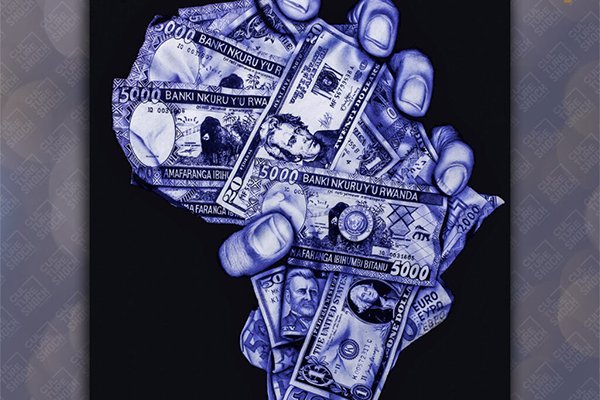
Culture Shock: Our artists are not only exceptional in what they do, but they also understand the cultural codes, nuances, and aesthetics that fly with the audiences of the celebrities that we’re signing up.
Fred is Culture Shock’s CEO. He is an entertainment and music executive with many years of experience working directly with powerhouse brands in the industry via the International Promotions Department at Universal Music Group, IGA, Interscope Geffen A&M and through his own international celebrity booking agency, Fred Frenchy Corp, with presence in over 25 countries working directly with A-listers, including Lady Gaga, Eminem, Mariah Carey, Jennifer Lopez, Floyd Mayweather, Busta Rhymes and more. Frenchy is also Mike Tyson’s international agent and business venture partner since 2009.
Niro** is the Director at Culture Shock. He had cofounded and exited multiple tech startups, including the entertainment media publishing technology company, Tagroom, acquired by NASDAQ-Listed Business in 2014 when he was 23 and the enterprise SaaS tech company, Simble, IPOed on the ASX in 2018. He has led digital innovation, brand strategy and design, new media and intellectual property development projects for blue-chip companies, startups and public figures, including Red Bull, Corona Extra, Canon, Intel, Disney, Lucasfilm, Star Wars, KPMG, Mike Tyson and more. This is incredible to have you here. Let’s start the chat. Welcome to the show.**
It’s a pleasure to be here.
I appreciate you coming on this episode. Being a hip-hop head from the time I was very young is near and dear to my heart. I’ve been looking forward to this one since Josh told me we were doing it. I’m super excited about it. One of the things that we love most about doing this show is hearing the origin stories of the projects that come on. How did the idea for Culture Shock Galleries come about? How did this amazingly accomplished team come together?
I’ll give you a little bit of background and Frenchy can cut in. Frenchy and I met years ago. We crossed paths in Perth. Frenchy’s wife lives in Perth and is good friends with my ex-business partner from a previous company that we exited. She called me up one day and was like, “You’ve got to come to Perth and meet this guy, Fred Frenchy. He is Mike Tyson’s agent.” I said, “What do you mean in Perth? What is he doing here?”
At first, I didn’t believe it but then I went up there to meet Frenchy and we got on a house on fire. We had a lot in common in how we thought about business and were certainly very creative aligned. We started collaborating on each other’s projects, counseling each other on what we were working on, understanding our individual networks and what we’ve been doing. It was an informal start to our relationship.
We found common ground primarily in our desire to give back and help the community from a creative angle. We explored a lot of different ideas and certainly where we ended up as being a very iterative approach. We have explored, built out and developed multiple products and projects to get here. The first iteration was a company called Culture Shock Studios, which still runs now. We set that up as an intellectual property development company. We wanted to produce content and create new business ventures but we wanted to do it with the lens of co-creating IP with a lot of the talent that Frenchy has worked with so that they had ownership in their creation.
We have certainly found and this has been something that has driven everything that we’ve done in our business is that, particularly, IP developed by the culture, the Black community, in particular, has driven and influenced mainstream culture but the creators often do not benefit and capture the full value of their IP that they’ve created. It’s primarily because they’ve often done deals that prioritize some upfront fee versus ownership, backend benefits, equity, royalties, etc. That was the basis of setting up that business and we’ve partnered with a whole bunch of awesome talent to produce content IP, documentaries and original animated series concepts. We’ve produced and developed a fitness franchise concept with Mike Tyson. That has been super interesting.
When we started to see all the activity and noise around the blockchain and NFTs start to take off at the beginning of 2021, we thought, “This is such a fantastic medium for us to keep doing what we’re doing but through blockchain technology and the smart contracts be able to do it even better.” We ensure that the creators of this IP were able to be minted on the blockchain effectively as the creators. We follow that thread and benefit from all the exciting activity that could happen from the IP that they developed and not have to worry about middlemen and gatekeepers along the way that cut them out of deals without them maybe even knowing about it. That was how Culture Shock Galleries came about.
That leads directly to the next question and I can see why people will be excited about working with you. To inform the reader here, you already have a diverse group of over 60 NFT designers under management. I want to know how you were able to onboard such a large number of designers so quickly. What creations can we expect from them?
The core of our mission is to give back. When we decided to embark on this NFT situation, we wanted to do it in a way we’re thinking outside the box. We definitely created a talent agency first even before creating the platform because we noticed that there were a lot of diversity-driven artists that were exceptional but they couldn’t even put themselves out there.
What you explained is that through our ability to be close to certain top-tier celebrities, we created this system where we had artists on one side and gave them the opportunity to collaborate with top-tier celebrities to create content and sell their platform. It was a no-brainer for some of the artists. We had an advantage there. We spend a lot of sleepless nights trying to select those incredible artists. That was at first challenging but we liked it as well because we gave the opportunity to a lot of those amazing artists that without a system like this, they wouldn’t be known.
We signed over 70 artists. Most of them are diverse, especially from the diaspora. We have artists from the Philippines, Pakistan, India but a lot of Africans as well like in Nigeria, Zimbabwe and an amazing artist from Senegal. We selected those guys, decided to work closely with them and gave them the opportunity to create an amazing piece with the people who are busy around us like top-tier celebrities.
The conversation with those artists was pretty smooth and easy because we came to them in an organic way. Also, what is important to highlight here as well is that the way we work with those artists is that we give them a certain amount of freedom as well. We don’t want to lock them in a situation where they ultimately have to work with us exclusively because we cannot be an expert on everything.
What they do with Culture Shock Galleries, they stay with us but I invite them to go and try to see what’s out there. With my experience working with artists and celebrities, when you give them some type of freedom and then you give them this ability to go and check for themselves what’s good out there, they always come back. We have a great relationship with them. So far, we’re successful with those artists.
Let’s get a little bit more specific. You guys did this Africa Drop that sold out. I heard some rumors about a metaverse and some collectible trading components. What are the specific collaborations that you’re working on that you’re excited about? I know they’re all amazing.
First of all, that was a very great surprise because we went and then decided to go into this ecosystem as an outsider. There are a lot of amazing platforms out there already. We can name a few. The way we wanted to approach this NFT thing was our own way. We built a closed platform. It’s not everybody who can come and make their artwork on CSG. We’re selecting everybody that can make their artwork.
What we’ve done is that we selected a few different artists to create a team collection about Africa with no promotion and nothing. It’s just to start and try something out to see if we are in the right direction. Fortunately, we’ve been able to sell everything pretty quickly and it was word-of-mouth. That gave us a signal saying, “We’re in the right direction.”
After that, Niro and I decided that our priority was to sign as much talent as possible. When I say talent, it’s the iconic legend of the culture, Black culture, pop culture or urban artists. I don’t like this terminology but this is how they call them. We sat down with several of those icons. The cool thing about it is because we can sold organically without pretending to know everything about the blockchain and NFT, we managed to sign them pretty easily. I don’t take all this for granted because I’m from this industry. At first, we reached out to the low-hanging fruit.
You got Bobby Brown, Cory Rooney and Caleb Fernandez. These are some incredible folks that you brought into the mix here.
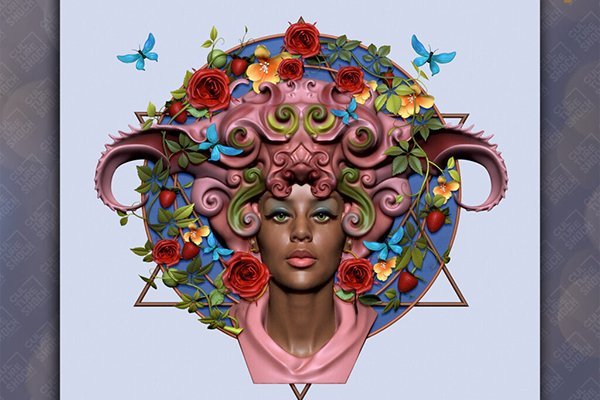
One of the things that are a point of difference for us on other platforms is our artist network. We’ve had celebrities and talents that we’ve met with that have wanted to go and explore the industry with it being new. They’ve gone and met with other platforms and artists. Most of them have come back to us, the main reason being, the creative vision that we have around projects for them speaks to the culture. That’s largely based on the fact that our artists are not only exceptional in what they do, graphic design, CGI, special effects, all of the above but they understand the cultural codes, nuances and aesthetics that fly with the audiences of the celebrities that we’re signing up.
We like to talk about the Edge of NFT as the intersection of technology and culture. They are coming together in a way that wasn’t possible before. It’s a subtlety and you get it right. It creates amazing connectivity with an audience.
In addition to that, specifically in the hip-hop industry, it is very specific. You cannot cheat them. You need to be able to know the codes and know what this industry is about. The first impression when you come with something new to this community is that it doesn’t work because they don’t understand it and don’t want to touch it. Ninety percent of them are skeptical of those types of projects because the nature of this industry is that they’ve been fooled a lot in their contract like a bad contract, bad deal or bad negotiation.
To them, going to something new like this with all those new languages and terminologies, they don’t want it. What we’ve done with Culture Shock Galleries is that’s where I come into play, knowing them and the way they operate, we’ve been able to break a lot of things. Meaning we came to them speaking their language. If you talk to someone like Kurtis Blow, for example. He is an old-school artist, legend and icon of hip-hop. If you start talking to him about the ERC-721, he is going to be like, “I’m good.”
The thing is that we have those types of artists. It’s straight to the point. It is what it is, what it does and how much I can make. We break it like this and then we speak to them that way. At first, we spend a lot of hours with Niro singing down with those artists and explaining the whole ecosystem of the NFT and all that. We’ve seen that it’s complicated for them. We decided to approach it the way our approach is with all the different artists that I work with straight to the point and we’ve been successful at it. That’s how we work with the industry.
Speaking their language helps and probably doing it with a French accent doesn’t hurt.
To that point being international, I’m from Australia. I’ve got an Aussie accent. Frenchy is Frenchy. We are a massive point of difference to a lot of the people that we meet because we’re different. From an attention point of view and that icebreaking component, that’s certainly present.
Culture is at the center of everything we’re talking about here. We understand you have an upcoming ICO with something called the Culture Coin. How does that play into this whole ecosystem? What should we expect there?
He wants to develop a coin that we can integrate into our system and platform that we’re developing but also speaks to what we’re about and our mission. Not only will this coin be able to unlock benefits for those who hold it across a lot of the NFTs that will be dropping so special unlockables and perks that some of our celebrity partners will be offering. The main component about this is, by using this coin, we want to be able to benefit the industry. What I mean by the industry is to effectively establish an unofficial hip-hop union but one that has been longing to be created and primarily to help support talent.
Legacy talent, new and emerging talent, those are hard done by terrible deals and can’t get out of them because they can’t afford the legal cost to fight these battles. Also, a talent that has found themselves in dire straits and can’t afford medical care. People think they’re super-rich and famous because they know of their music but the deals that they did were so bad that they don’t have the money that you and I could ever possibly imagine.
Culture Shock: We’re living in a world where there’s so much division. If you can look for the common thread, you will find that there is such a thing as common unity; you just have to look for it.
For us, it’s about saying, “When you buy this coin or transact with this coin, you know for sure that whenever you are able to transact with this coin, you are supporting Black and the culture.” That’s super key. Particularly, with our third-party relationships, retailers and brands that we’re talking to and we’ll partner with that will offer the ability to transact with Culture Coin on certain product lines that they’ll be launching, you will know for sure when you do that and then it’s going to be Black-owned and supporting the culture in some way. First and foremost, it’s a vetting mechanism that we’re spending a lot of time putting together to ensure that consumers can see that when they have the ability to use that.
Secondarily, these foundation components are contributing towards what we’re developing in this space of being able to give back so that proceeds generated through Culture Coin transactions go towards this foundation, which ultimately our community will be able to vote on who they want to deploy these funds to if and when someone applies to receive a grant. It could be medical costs, housing-related, education-related, legal-related but all within the vein of the culture and people that our community wants to support.
The common story and theme from so many artists and performers from the early 2000s all the way back to the ’80s and even before are bad deals. The opportunity to translate everything they created, their persona and capitalize on that now, the nostalgia and love that people have for them and to be able to capture some of that value for themselves and, to a degree, start to true-up what’s a meaningful service to a lot of these people, it’s amazing. It’s one of the beautiful things about what NFTs can do. We’re just scratching the surface.
To that point, it’s undeniable now. Hip-hop is one of the driving forces of society. Globally, in Europe, Australia, South America and Africa, everybody watches, sings and dances hip-hop. That’s sometimes unfortunate to see those architects, the people who shaped that culture, being so desperate with that situation. We wanted to do something to give back and also give them the flower while they can smell them. It’s very important to do things like this. In the movie business, you get sad with all those union types of things. Models in the fashion industry have a union as well. Why not hip-hop because it’s one of the number one cultures and industries now? We wanted to do something about that.
To add to Frenchy’s point to finish that off, us saying that we’re going to do this is one thing but we’ve been very careful and precise about who we’re partnering with and bringing to the table to validate this project and show that we aren’t a bunch of guys saying, “We’re going to do this.” The people in the industry that are trusted, veterans and have proved that they’re about supporting the culture and people, we’ve been conscious to develop relationships with them to bring them on board to validate our project through their involvement. If we don’t have trust from the community by the artists, celebrities and potential consumers then none of this matters. The story is one thing but putting the right people together that add weight to the credibility of the story is key especially in a community that has a lot of distrust around all of the above.
There is a great book, The Speed of Trust. The thesis of that book is, “The more you degrade trust, the slower things go in business, relationships and all these things. The more you can build trust and people could feel secure in that, decisions, pathways and everything starts to open up very quickly.” That makes a lot of sense. I want to talk to you guys about a specific project, The Culture Cards, the official hip-hop collectible cards NFT project. Tell us what it’s all about. How do we play the game?
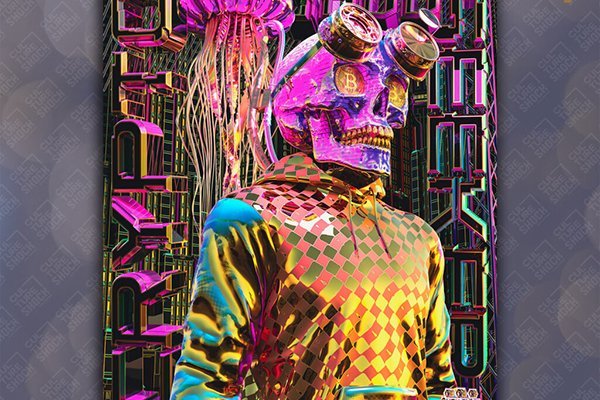
That’s a great segue because we created that fantasy game to bridge the gap between the pioneers and these new emerging generation of hip-hop artists. We wanted to celebrate not only the artists but for everybody that contributed and impacted their culture. People from the DJs, producers, graffiti artists, dancers, music executives, radio personalities, all the people that helped shape their culture, we wanted to celebrate them. We brainstormed a lot on how we could do that. The collectible aspect now is very hot. We created a game where it’s a fantasy game powered by collectible NFT cards like trading cards.
Let’s do it.
How about you, Frenchy?
It’s Michael Jackson’s Off the Wall album.
You don’t have MJ before?
In all of our 60-something episodes, no.
I’ve sold a shirt.
How about you, sir?
It would be an NFT.
Anything, in particular, you want to share?
How about you, Frenchy?
It was an NFT.
Care to share which that was?
Niro, how about you?
Same, it’s one of the NFTs.
Niro, how about you?
Frenchy, how about you?
Niro, how about you?
I was asleep.
Frenchy, how about you?
What was the song?
Niro, how about you?
The fifth one is always hard.
Thanks, guys.
We appreciate you. Thank you.
—
Important Links:
-
Niro Yamunarajan – LinkedIn
-
Tom Bilyeu – Previous Episode
-
Michael Huynh – LinkedIn
-
Eventbrite – DCentral Miami – NFT & DeFi Conference – Crypto Basel
-
iTunes – Edge of NFT Podcast
-
@EdgeOfNFT – Twitter